
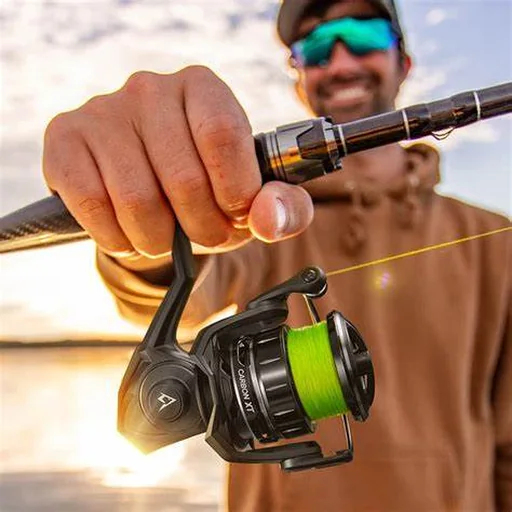
Learn a simple baitcaster setup sequence covering spool tension, braking, thumb control, lure weight, and how to reduce frustrating backlashes.
A baitcaster becomes much easier when you separate the controls into jobs. Spool tension controls side-to-side play and initial spool behavior, the braking system slows the spool during the cast, and your thumb provides the final layer of control.
Start with an easy lure
Use a compact lure in the middle of the rod's rated weight range. Very light, wind-resistant lures make learning harder.
Set spool tension
Remove obvious side-to-side spool play, then avoid over-tightening. Modern reels are often designed to run with relatively low spool tension once you understand the brakes.
Use more brake at first
Start conservatively. A shorter controlled cast teaches more than a long cast followed by a deep backlash. Reduce braking gradually as your thumb timing improves.
Practice the thumb
Release pressure as the lure accelerates, feather the spool during flight, and stop the spool just before the lure lands. This rhythm becomes automatic with repetition.
Cast smoothly
A baitcaster rewards smooth acceleration. Jerking the rod can make the spool accelerate faster than the lure can pull line, which encourages an overrun.
Backlash recovery
Do not pull hard on the main line. Gently pick out the loop that is trapping the line, rotate the spool backward if needed, and pull line forward again.
Most beginners improve quickly when they resist the urge to chase maximum distance. Control first; distance follows.
Compare current Piscifun gear and deals
Retail pricing and availability change frequently, so use the official store page for current offers rather than relying on a static price here.
Check current Piscifun deals ↗
We publish practical fishing explainers and specification-based gear coverage. Our goal is to separate useful setup guidance from promotional claims.
Read our editorial policy →