
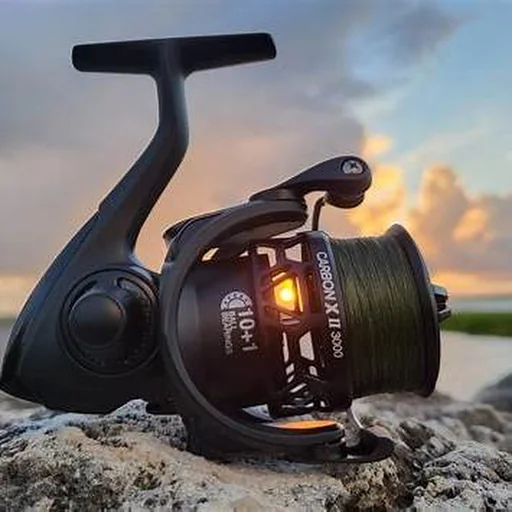
Compare braid and fluorocarbon for sensitivity, stretch, visibility, abrasion resistance, knot choice, and common freshwater fishing applications.
Braid and fluorocarbon behave differently enough that choosing between them can change how a rod, reel and lure feel. Neither is automatically better.
Why anglers choose braid
Braid has very low stretch, high strength for its diameter and excellent sensitivity. It is useful around vegetation, for long casts, and in techniques where quickly detecting contact matters.
Why anglers choose fluorocarbon
Fluorocarbon is denser than water, offers useful abrasion resistance and is less visually obvious underwater than many opaque lines. It is common for leaders and as a main line in certain techniques.
Stretch and shock
Low stretch can improve sensitivity but also transfers more shock to knots and hooks. Fluorocarbon has more stretch than braid, while monofilament generally stretches more than both.
Braid with a fluorocarbon leader
This combination is popular because it provides a thin, low-stretch main line with a replaceable leader near the lure. Leader length can be adjusted around water clarity, cover, casting and knot preference.
Choose around the situation
- Heavy vegetation: braid is often useful
- Clear water and finesse: fluorocarbon leader can help
- Moving baits where some give is helpful: mono or fluorocarbon may feel more forgiving
- Long casts and sensitivity: braid is strong
Always test knots with the actual line diameters you use. A strong line is only as reliable as the connection joining it to the lure or leader.
Compare current Piscifun gear and deals
Retail pricing and availability change frequently, so use the official store page for current offers rather than relying on a static price here.
Check current Piscifun deals ↗
We publish practical fishing explainers and specification-based gear coverage. Our goal is to separate useful setup guidance from promotional claims.
Read our editorial policy →