
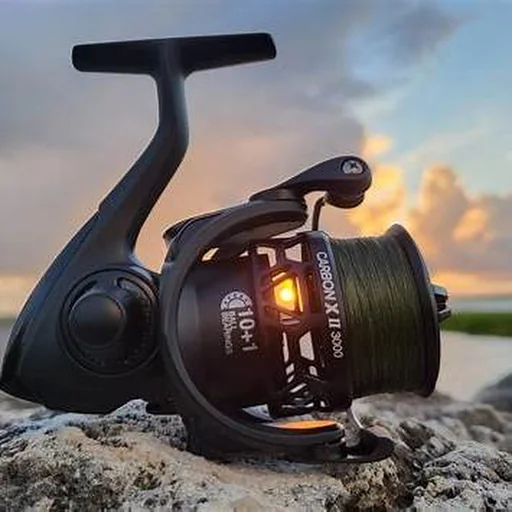
Choose fishing line strength based on target species, cover, lure weight, reel capacity and line diameter instead of guessing by fish weight alone.
Pound test is often misunderstood as the exact fish weight a line can land. In practice, drag, rod flex, knots, abrasion and angler technique all share the load.
Start with the technique
Finesse presentations in open water can use lighter line. Heavy cover, large hooks and forceful hooksets usually justify stronger line.
Think about diameter
Braid can provide higher rated strength at a smaller diameter than mono or fluorocarbon. That affects spool capacity, casting and how line behaves around cover.
Use the rod and reel ratings
Rod line ratings and reel capacity markings provide a sensible operating range. They are not absolute rules, but they help keep the system balanced.
Set drag appropriately
A common starting principle is to use drag well below the line's rated breaking strength, then adjust based on knots, cover and target fish. Measure drag with a scale if you need repeatability.
Rather than asking only “how big is the fish?”, ask how much pressure the entire setup needs to apply in the environment you fish.
Compare current Piscifun gear and deals
Retail pricing and availability change frequently, so use the official store page for current offers rather than relying on a static price here.
Check current Piscifun deals ↗
We publish practical fishing explainers and specification-based gear coverage. Our goal is to separate useful setup guidance from promotional claims.
Read our editorial policy →